


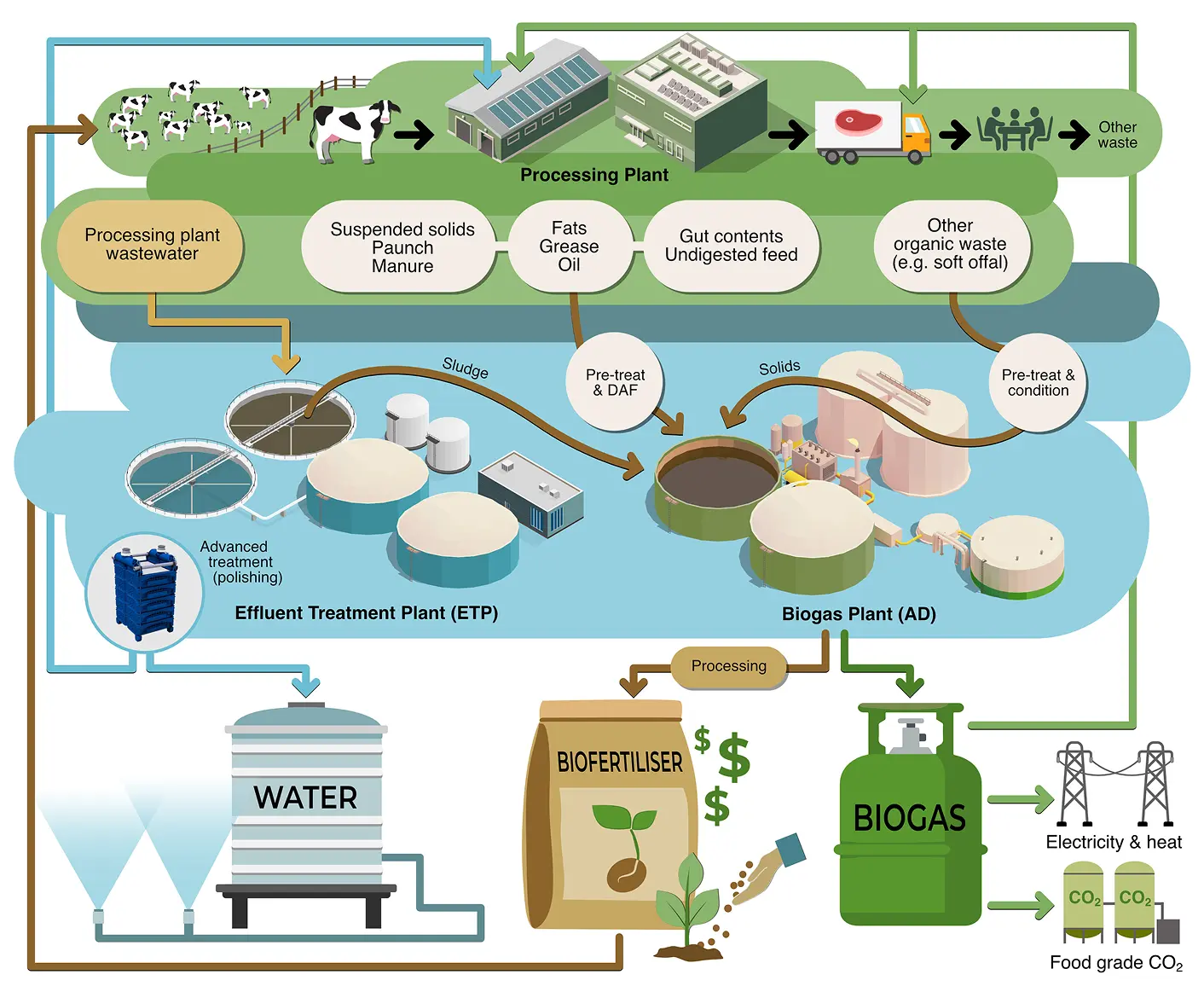

Transforming processing residues into profitable, sustainable resources to advance the circular economy and reduce industrial emissions.
Bridging the gap between research and commercial investment with state-of-the-art testing infrastructure and real-world operational data.
Engineering custom, nutrient-rich biofertilisers that meet strict regulatory standards and deliver high-performance results for agriculture.
Total Pilot Capacity
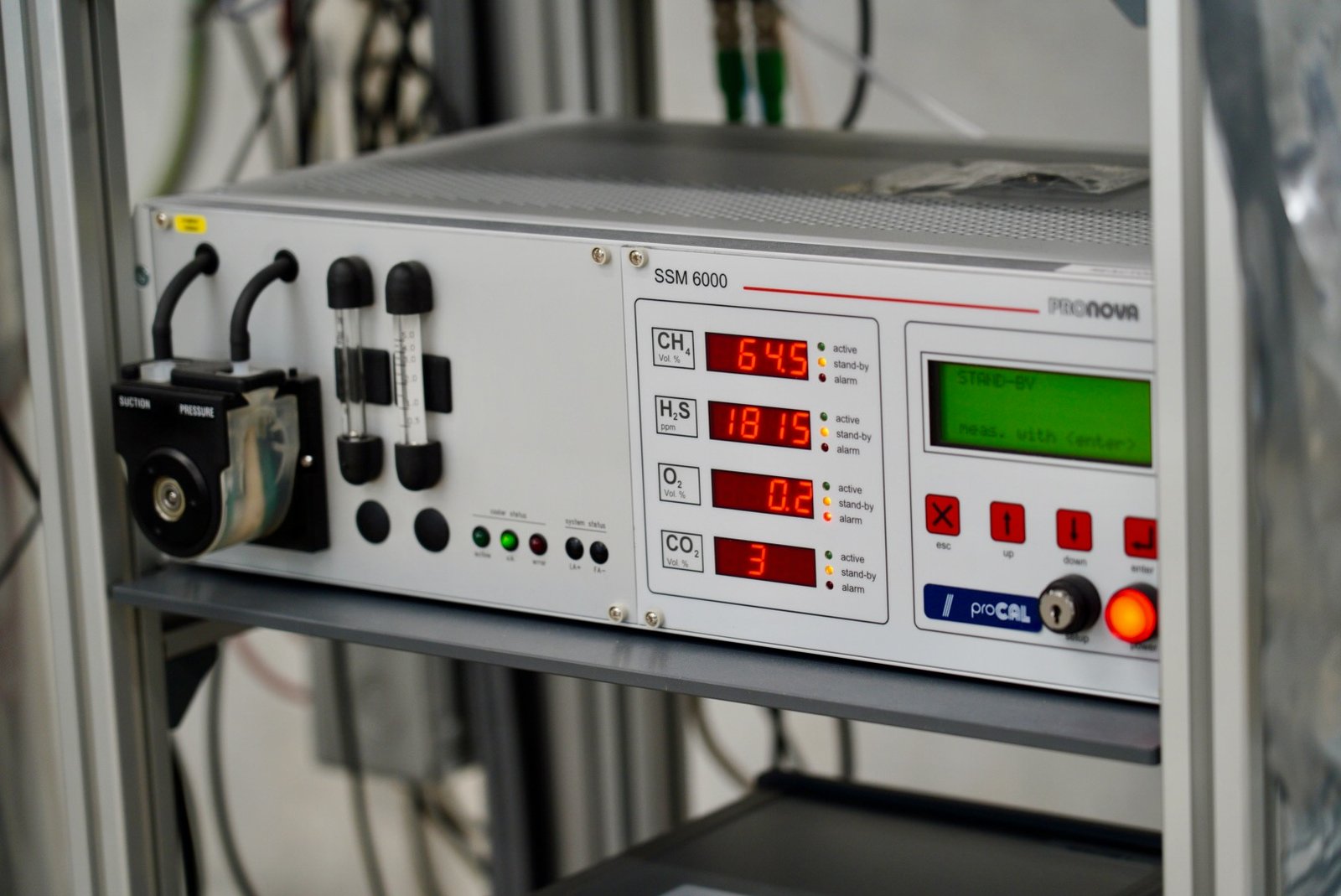
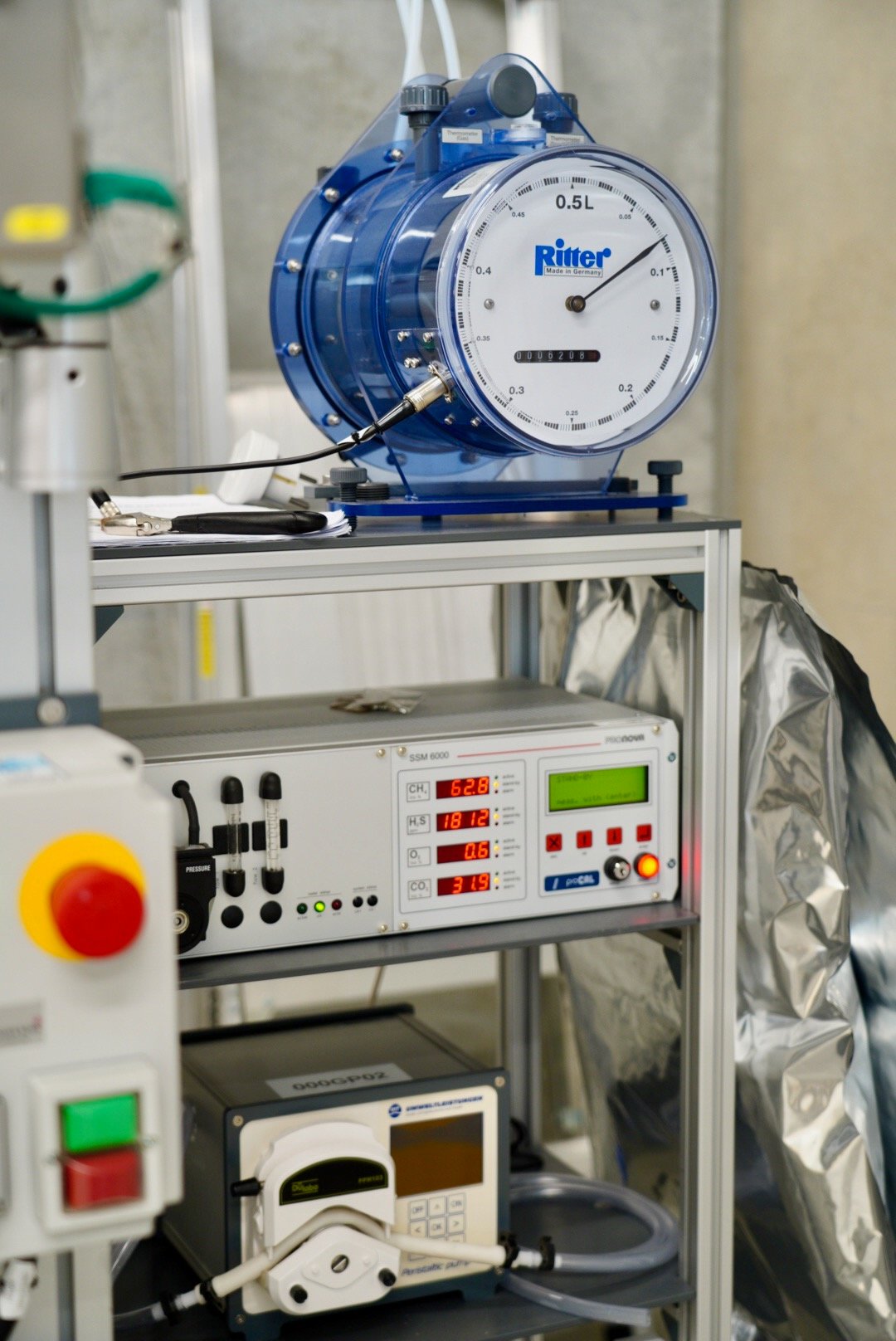
CH4, CO2, O2, H2S
Integrated Digestate Dewatering and Valorisation
This facility supports applied research, demonstration and industry collaboration in anaerobic digestion, bioenergy, digestate-to-fertiliser pathways, and other digestion valorisation technologies. It provides a practical platform for testing how feedstocks, including red meat industry residues, agricultural wastes and other organic feedstocks, can be converted into renewable biogas, biofertilisers, and other valuable products.
This project demonstrates how organic residues can be transformed into higher-value products through anaerobic digestion and bioresource recovery.
Produce and evaluate biogas as a renewable energy source
Explore nutrient recovery, dewatering and fertiliser production technologies
Support regulatory, commercial and technical pathways for safe digestate use
Build confidence in circular economy solutions for regional and industrial organic wastes
Test and optimise anaerobic digestion of red meat industry and agricultural waste streams.
Assess digestate quality and its potential use as a biofertiliser
This project demonstrates how organic residues can be transformed into higher-value products through anaerobic digestion and bioresource recovery.
Build confidence in circular economy solutions for regional and industrial organic wastes
Test and optimise anaerobic digestion of red meat industry and agricultural waste streams.
Explore nutrient recovery, dewatering and fertiliser production technologies
Assess digestate quality and its potential use as a biofertilizer
Support regulatory, commercial and technical pathways for safe digestate use
Produce and evaluate biogas as a renewable energy source
Assess opportunities to recover and reuse treated wastewater across industrial operations
Organic residues from food, meat, and agriculture offer massive opportunities for renewable energy, nutrient recycling, and emission reductions. However, scaling these waste-to-value solutions requires practical data, clear use cases, and demonstration infrastructure. This state-of-the-art pilot anaerobic digestion facility bridges that gap. By testing feedstocks and converting digestate into commercial biofertilisers, it will provide critical operational data while connecting industry, researchers, and regulators to accelerate adoption.
The long-term aim of the facility is to help develop commercially viable pathways for converting organic residues into renewable energy, recycled nutrients and useful products for agriculture and industry.
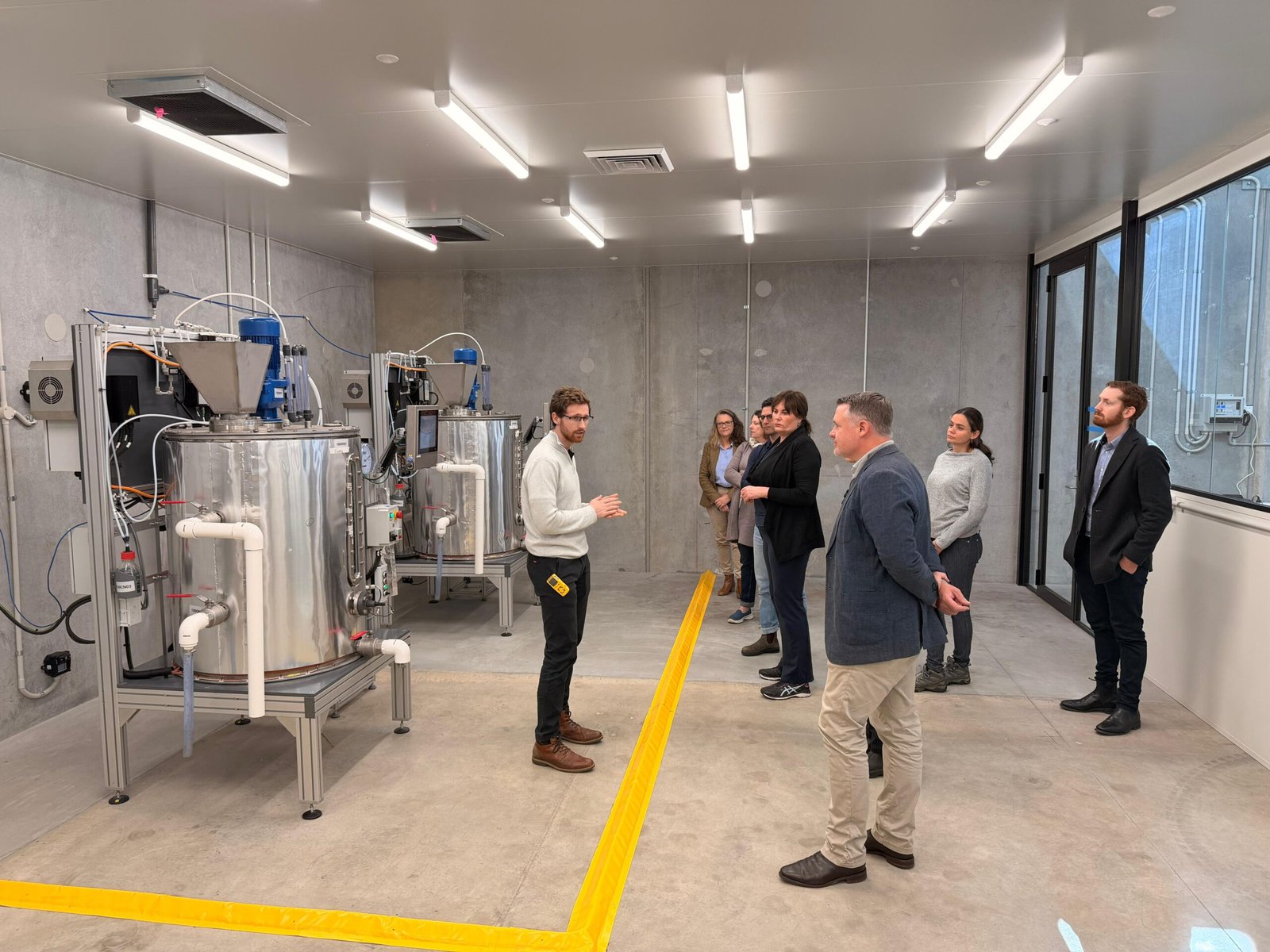
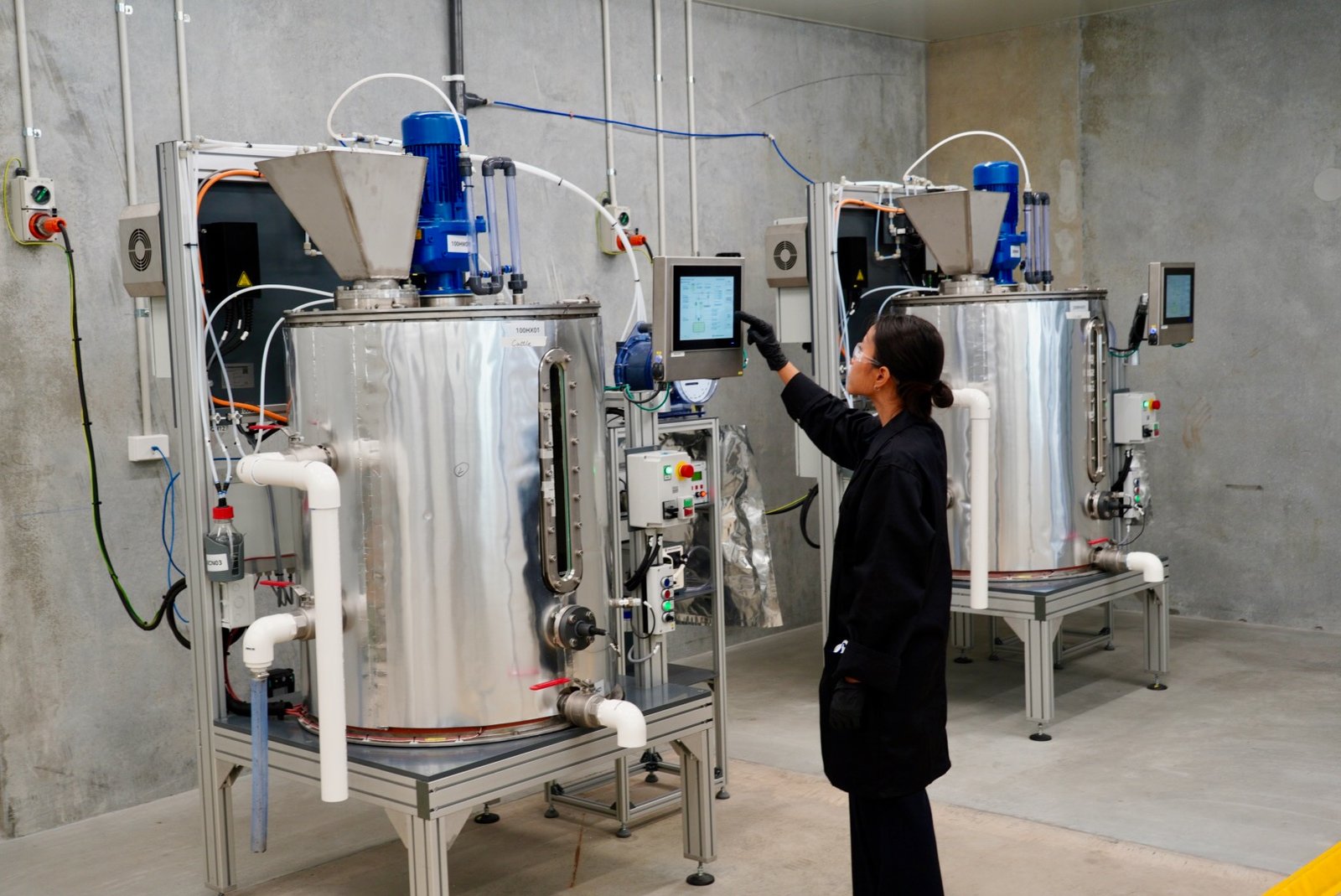
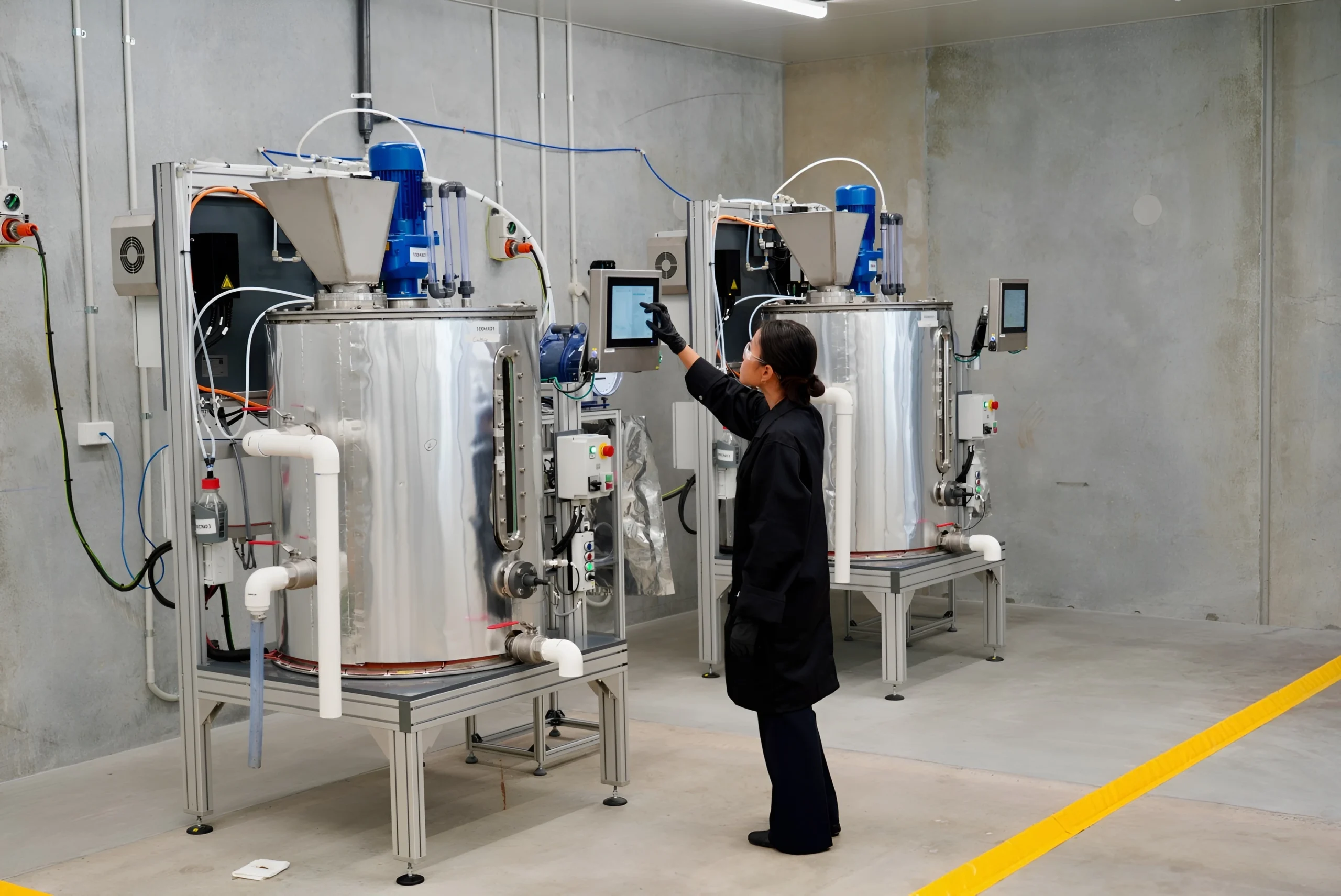
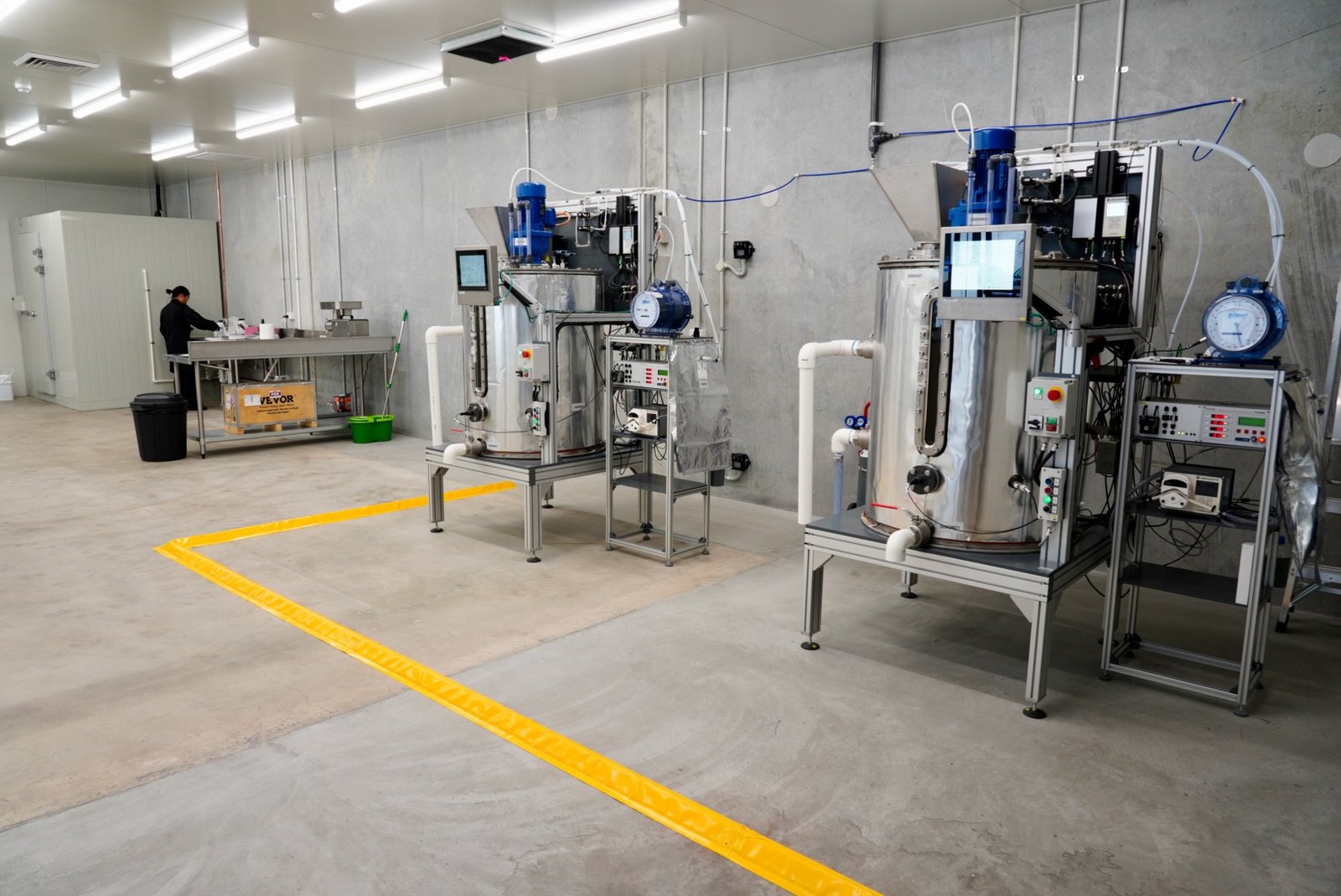
The facility includes pilot-scale anaerobic digestion infrastructure designed to receive and process selected organic feedstocks under controlled operating conditions.
Feedstock preparation and handling area
Pilot anaerobic digestion system for testing organic waste conversion
Equipment for digestate handling, dewatering and downstream valorisation trials.
Capacity to test different feedstock blends and operating conditions in parallel.
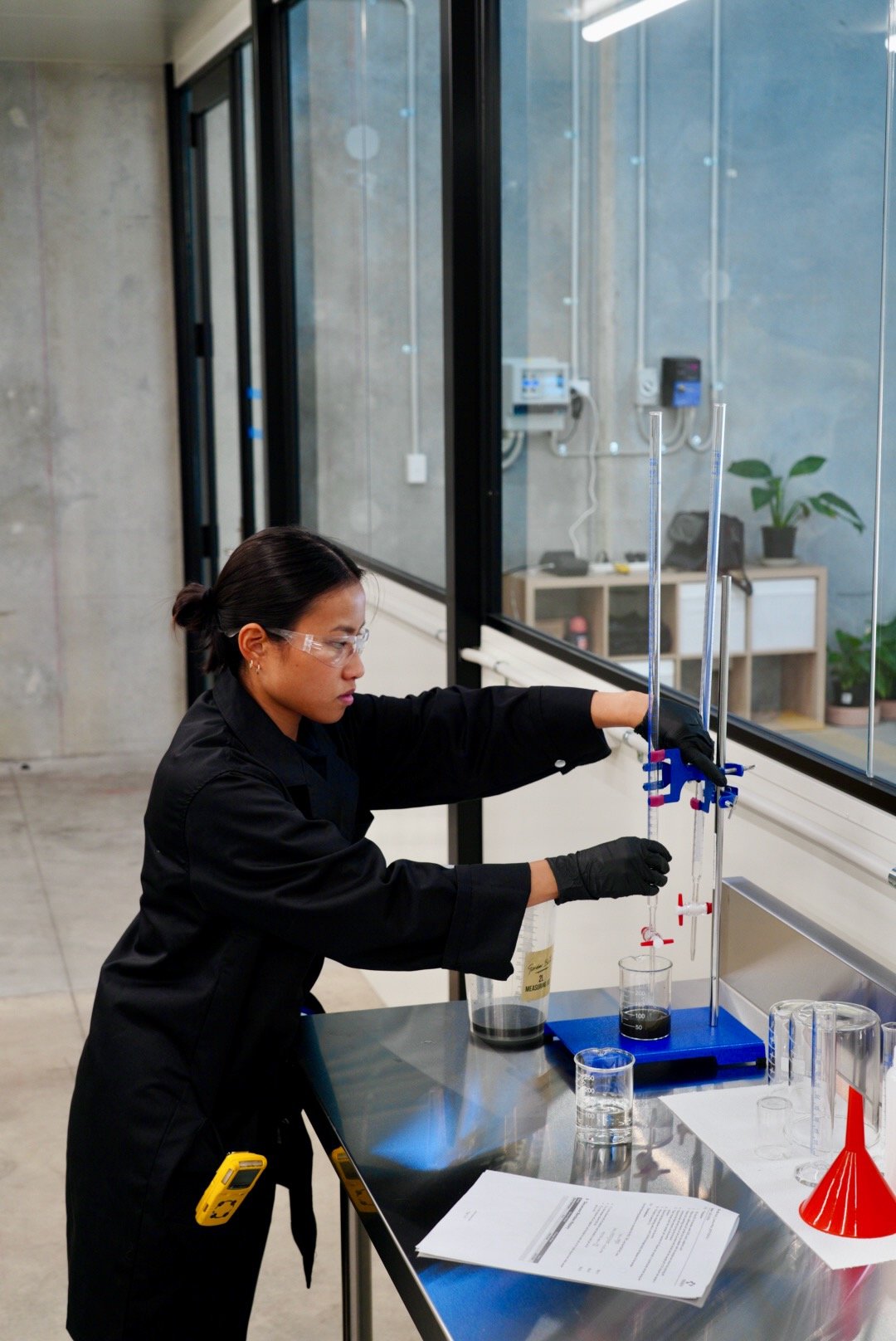
On-site analysis of process performance, methane potential, nutrients and digestate quality.
Built for partnership with universities, industry, and government.

Project Partner

Company Director

General Manager

Chemical / Process Engineer

Energy Lead

Chemical Engineer

Resource Recovery

Process Engineer

Process Engineer

Project Partner

Company Director

General Manager

Chemical / Process Engineer

Energy Lead

Chemical engineer

Recovery Specialist

Process Engineer

Process Engineer
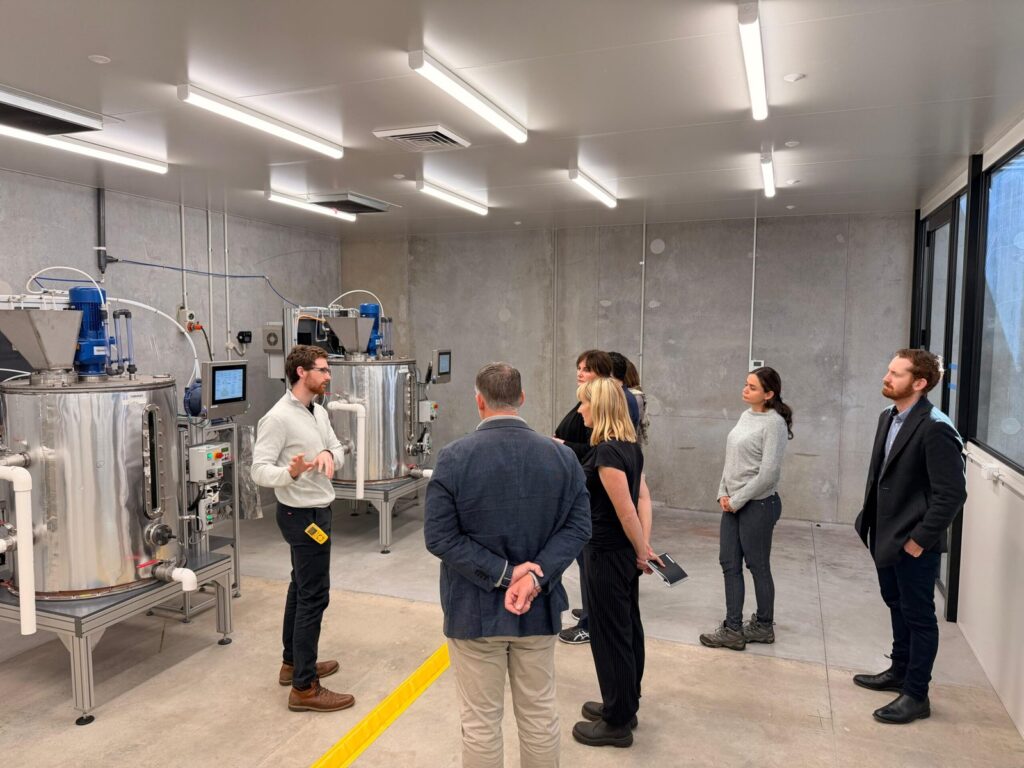
Visits are suitable for industry partners, researchers, government representatives, regulators, students, potential project collaborators and organisations interested in organic waste recovery, renewable gas, digestate use or circular bioeconomy opportunities. All visits must be confirmed in advance. Walk-in visits are not available.
Before booking a site visit, please note: